Table Of Content
These products usually contain flavored petroleum jelly, which coats the hair that accumulates in the stomach and acts as a mild laxative to help it pass harmlessly through your cat’s digestive tract. Switch your cat to a food that is made for hairball control or digestive health. These foods have ingredients in them to help the hair move from the stomach through the digestive tract, so your cat can pass it when they poop. Regularly eating these foods can keep cats from vomiting hairballs regularly. Be sure to transition your cat to a new food properly to avoid stomach issues. Some cats are, by nature, more fastidious than others in their grooming habits.
Feed Your Cat Hairball Reducing and Gastro Health Foods and Treats
Other factors can also increase your cat’s risk of vomiting up furballs. In rare cases, hair accumulation in your cat’s digestive tract may become severe enough to cause a blockage, requiring hospitalization and surgery to address the problem. This is why it is important to stay on top of your cat’s grooming and prevent hairballs whenever possible.
Symptoms of hairballs in cats
A visit to your veterinarian can rule out any medical causes for the hairball, such as problems with gastrointestinal motility or a potential intestinal blockage. Hairballs occur when cats ingest their own hair while grooming themselves. Although hair should normally pass through the cat’s digestive tract (where it is eventually pooped out), sometimes hair remains inside the stomach.
Oral Remedy For Cat Hairballs
I Waxed My Balls and Maybe You Should Too - GQ
I Waxed My Balls and Maybe You Should Too.
Posted: Sun, 29 Mar 2015 07:00:00 GMT [source]
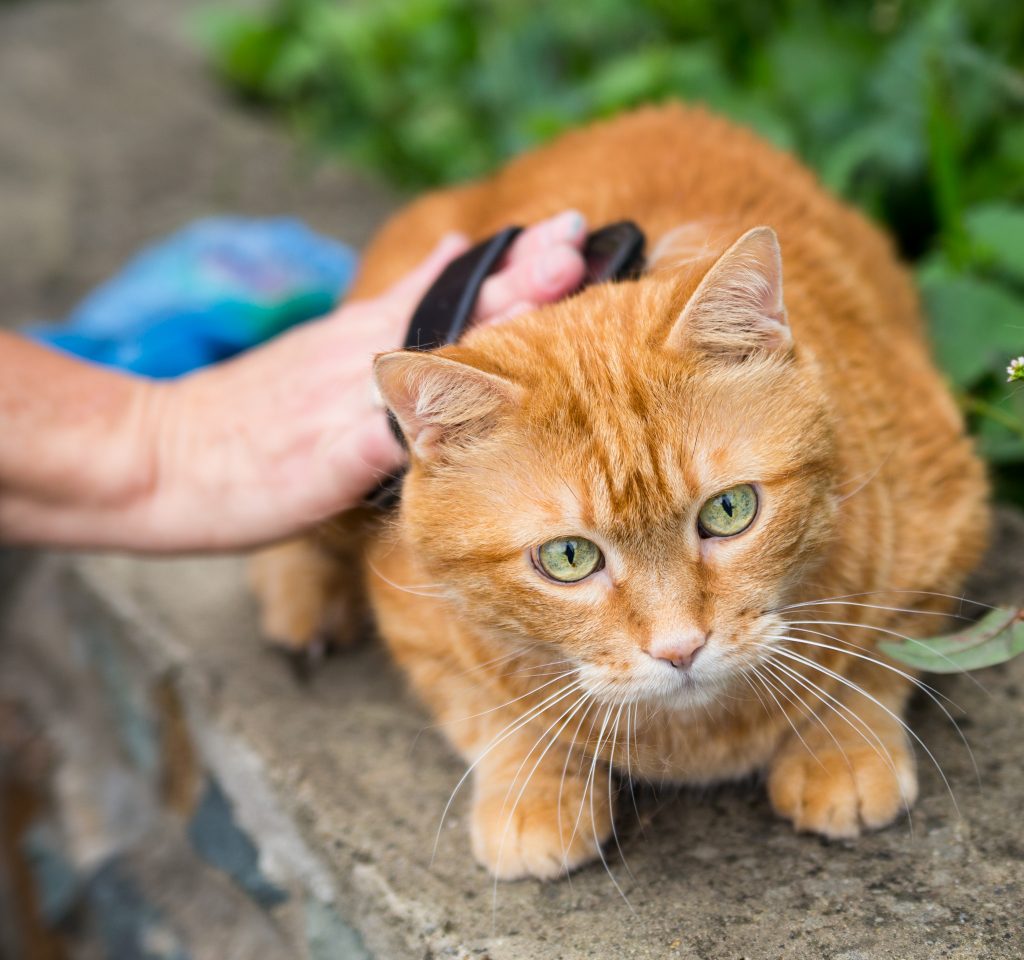
However, you can help by brushing them with a slicker brush or deshedding tool. In a healthy cat, the fur that is swallowed during grooming should be able to pass through the intestines and exit with the stool during a normal bowel movement. However, hairballs can become severe if left unmanaged, so it’s important not to let this hairy problem go untreated. Be sure to groom your cat regularly, and monitor your cat for any other symptoms, like lethargy, loss of appetite, or coughing, which could indicate a more serious problem than hairballs alone.
How to shave your balls safely - British GQ
How to shave your balls safely.
Posted: Wed, 08 Feb 2023 08:00:00 GMT [source]
One of the most natural and simple ways to cut down on hairballs is to brush your cat often. The more loose hair you can brush out of your cat’s coat, the less she will ingest while self-grooming. If your cat is vomiting large slimy mats of hair, these are hairballs.
Be sure to talk to your vet before you make any changes to your cat’s diet too. Some hair passes through the digestive tract and into the feces, while some hair accumulates in the stomach and is later expelled by vomiting. Hairballs are more common in long-haired breeds, but short-haired cats can experience them as well.
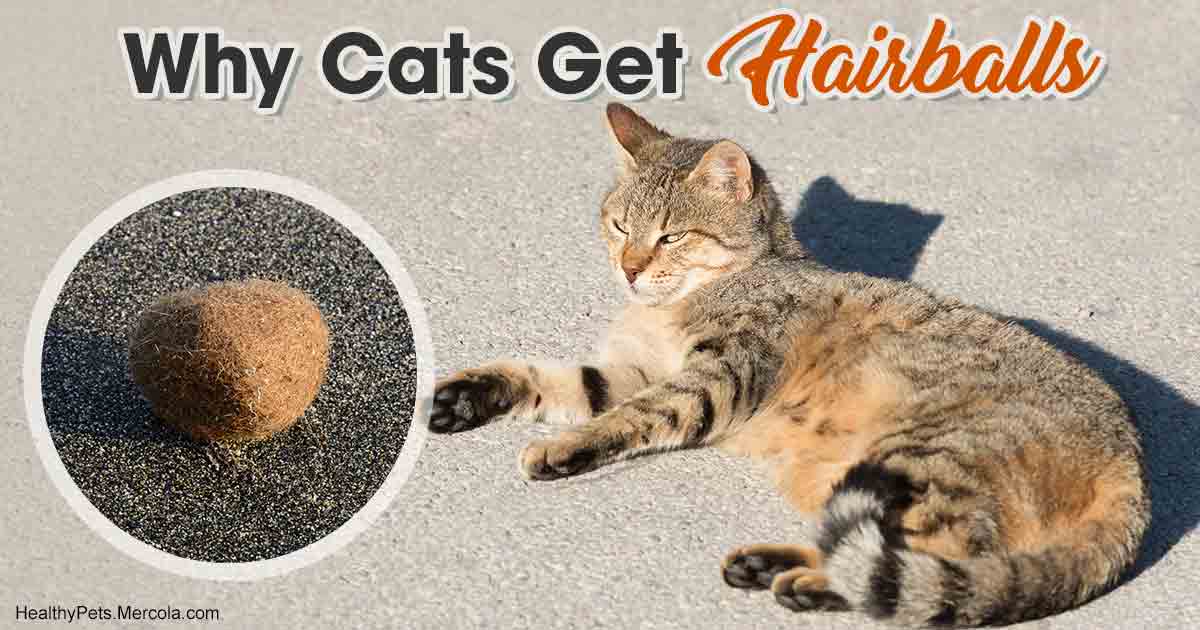
What Does a Cat Hairball Look Like?
She’ll awake from a peaceful nap, rise up on her paws, retch convulsively for a moment or two, and spit up what may appear at first glance to be a damp clump. A large clump of ingested hair can block a cat's intestinal tract and pose a deadly threat. Hairballs may be disgusting, but they develop as a result of your cat’s healthy and fastidious grooming routine.

These are all much more serious conditions than hairballs, so it is important to see your veterinarian if you suspect your cat may be coughing. If your cat hacks as if he or she is trying to produce a hairball but never actually brings anything up, this is a sign that your cat may be coughing and should see a veterinarian. Pet owners will often describe their cats as “trying to bring up a hairball” or having a hairball that is “stuck”. If your cat is hacking unproductively, it may not be hairballs at all! Cats can cough for many reasons, including asthma, upper respiratory infections, pneumonia, and heart disease. Many cats enjoy the taste of these flavored products and will lick them right off of your finger.
Before trying any medication, a quick chat or visit with your vet is recommended to ensure that there are no underlying issues causing your cat to have hairball issues. Additionally, certain digestive disorders can also lead to more hairballs. Overgrooming or compulsive grooming behavior can also increase the likelihood that a cat will have hairball issues. Regurgitated hairballs are variable in size; though usually about an inch long, they can be as long as five inches and an inch thick.
After brushing your cat, wipe them with a fragrance-free, hypoallergenic baby wipe. A moist cloth such as these helps to remove any remaining loose fur, which helps to reduce the amount that ends up in your cat’s stomach and reduces the risk of hairballs. Jackie Brown is a senior content editor on the cats.com editorial team. Jackie is the former editor of numerous pet magazines and is a regular contributor to pet magazines and websites.
In those cases, veterinary attention will be needed to remove the hairball from your cat’s digestive system. A de-shedding tool made for cats, like the FURminator, can be very helpful for cats with profuse undercoats. After brushing, a quick wipedown with a damp cloth can help to remove loosened hair before your cat grooms herself to fix your hairstyling misdeeds. It can sometimes be difficult to tell if your cat has hairballs or another health condition. Two health issues that often mimic hairballs are asthma and vomiting (for reasons other than hairballs). This is due to either an excessive intake of hair or a decreased ability of the stomach and intestines to propel material through to the colon.